Welcome to Our Company

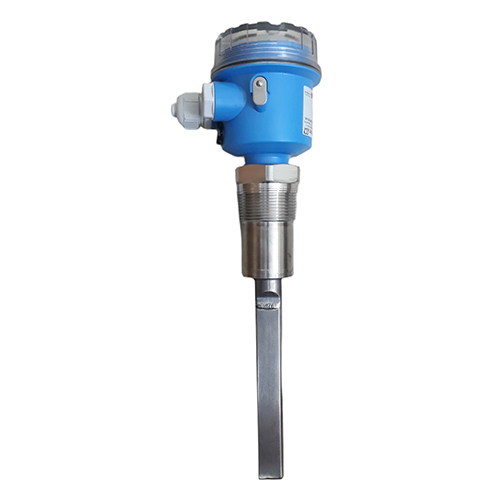
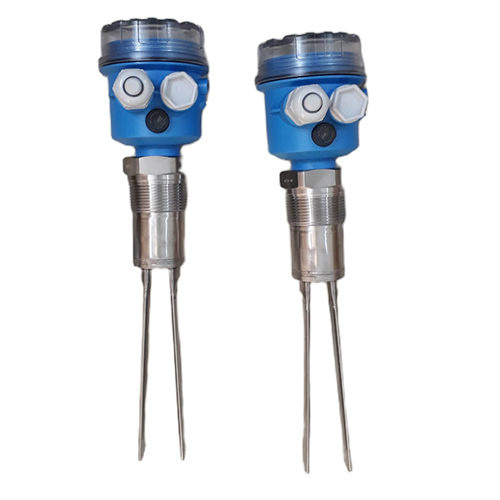
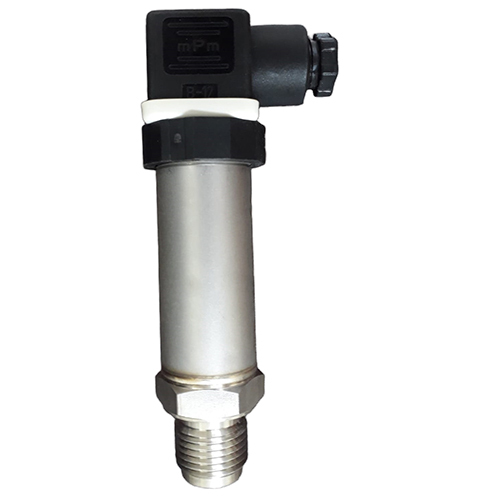
Level Switch
16000.0 INR/Unit
Product Details:
- Product Type Level Switch
- Application To give switching output depending on level of liquid in tank
- Color Silver
- Usage Industrial
- Operate Method Semi - Automatic
- Material Stainless steel
- Voltage 24 Volt (v)
- Click to View more
X
Level Switch Price And Quantity
- 16000.0 INR/Unit
- 1 Piece
Level Switch Product Specifications
- Industrial
- 80 Celsius (oC)
- Semi - Automatic
- 5 Volt (V)
- Stainless steel
- 24 Volt (v)
- 24 Volt (v)
- 400 Grams (g)
- Digital Sensor
- To give switching output depending on level of liquid in tank
- Level Switch
- 100 Celsius (oC)
- Silver
Level Switch Trade Information
- KOLKATA
- Cash in Advance (CID)
- 1000 Piece Per Month
- 03 Week
- No
- Sample costs shipping and taxes has to be paid by the buyer
- Corrugated Box
- Asia, Australia, Central America, North America, South America, Eastern Europe, Western Europe, Middle East, Africa
- All India
- ATEX, IEC Ex, CSA, NEPSI, KC, JPN Ex, INMETRO, UK Ex
Product Description
A vibrating fork level switch, also known as a tuning fork level switch, works by detecting changes in the vibration of a tuning fork when it comes into contact with a liquid or solid material. The fork vibrates at its natural frequency when in air, but this frequency changes when the fork is immersed in a material. This change in frequency is detected by the switch's electronics, which then trigger a switching action to indicate the material's presence
FAQs of Vibrating Fork Level Switch
Q: What industries use it?
A: They are widely used in various industries, including food and beverage, pharmaceuticals, chemicals, and wastewater treatment.
Q: What are common applications?
A: Some common applications include overflow or run-dry protection, high and low-level alarms, and pump control.
Q: What are the wetted parts made of?
A:Wetted parts are typically made of stainless steel (SS304 or SS316) for durability and corrosion resistance.
Q: What is the typical operating temperature range?
A: The operating temperature range can vary, but some switches can operate up to 200C.
Q: What is the typical pressure range?
A: They can handle various pressure ranges, with some designed for up to 10 kg/cm.
Q: What are the different mounting options?
A: They can be side-mounted or top-mounted, with various thread and flange options for connection.
Q: What are the typical fork lengths?
A: Fork lengths can vary, with shorter lengths (e.g., 100mm) providing faster switching times and longer lengths (e.g., 155mm) designed for more amplitude of oscillation.
Tell us about your requirement

Price:
Quantity
Select Unit
- 50
- 100
- 200
- 250
- 500
- 1000+
Additional detail
Mobile number
Email

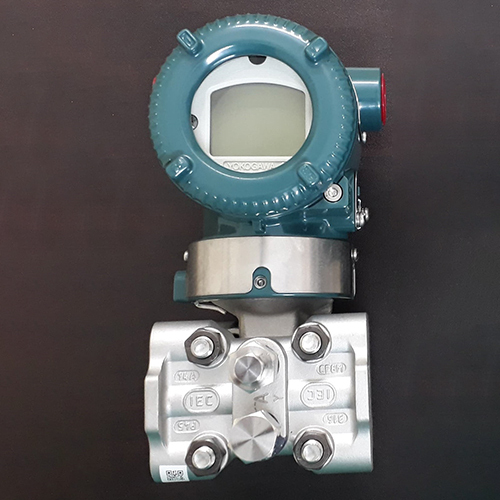
Other Products in 'Pressure Transmitter' category

Contact Details

- 62/5, Garfa Main Road,Kolkata - 700075, West Bengal, India
- Phone : 07315121744
Dellstar Overseas
GST : 19AAIFD2879A1ZF

- Mr Sushoban Adhikari (Partner)
- Mobile : 07315121744
- Send Inquiry
 Send Inquiry
 Send Inquiry
Developed and Managed by Infocom Network Private Limited.
 English
 Spanish
 French
 German
 Italian
 Chinese (Simplified)
 Japanese
 Korean
 Arabic
 Portuguese